
Table of Contents
Introduction
Picture this: you’re passionate about both healthcare and technology, but you’re not sure how to combine them into a meaningful career. Enter health informatics—a field that’s absolutely exploding right now. It sits right at that sweet spot where healthcare meets cutting-edge tech, and honestly? The timing couldn’t be better. If you’re someone who gets excited about using technology to actually save lives and improve patient care, or if you’re just curious about where healthcare is heading, you’re in for a treat.
Here’s what’s happening in healthcare right now. Hospitals and clinics are drowning in data—patient records, treatment histories, diagnostic images, you name it. But here’s the kicker: all that data is only valuable if someone knows how to organize it, analyze it, and turn it into actionable insights that help doctors make better decisions. That’s where health informatics professionals come in. They’re the bridge builders, connecting the clinical world with the digital one. Want to understand the bigger picture? Check out careers in public health to see how health informatics fits into the broader health ecosystem, or explore careers in software engineering to appreciate the technical skills that make this field so collaborative.
The day-to-day reality? You might find yourself working with doctors to design better electronic health record systems. Or maybe you’re the person who figures out how to make sure patient data stays secure while still being accessible to the right people at the right time. Some days you’re analyzing patterns in treatment outcomes, other days you’re helping implement new software that makes nurses’ jobs easier. It’s varied, it’s meaningful, and it requires both technical know-how and a genuine understanding of how healthcare actually works. If you’re curious about the analytical side, learning about careers in business analytics can give you insights into how data drives decision-making across industries.
And here’s where it gets really exciting—we’re just scratching the surface of what’s possible. Artificial intelligence is starting to help doctors spot diseases earlier. Blockchain technology might revolutionize how we share medical records securely. Telehealth is bringing care to people who never had access before. If you want to see where all this is heading, take a look at artificial intelligence in healthcare and technology in smart homes—because health monitoring isn’t just happening in hospitals anymore. The possibilities are honestly mind-blowing, and we need people who can help navigate this transformation responsibly.
What You’ll Learn in This Guide
We’re going to walk through everything you need to know about building a successful health informatics career. No fluff, just practical insights you can actually use.
- Understanding Health Informatics: We’ll break down what this field really involves—from electronic health records to patient-centered technology—and why healthcare can’t function without it anymore.
- Exploring Career Options: Discover the different paths you can take, whether you’re drawn to clinical informatics, health data analysis, or IT specialization, plus what each role actually looks like day-to-day.
- Education and Skills Requirements: The real talk on what degrees you need, which certifications matter, and the mix of technical and people skills that’ll make you invaluable in this field.
- Career Outlook and Starting Tips: Current job market trends, realistic salary expectations, and concrete steps to get your foot in the door—including how to find internships and build your network.
As we dig deeper, you’ll get the insider perspective on what it’s really like to work in this field. We’ll talk about specific job roles, the qualifications that actually matter (versus the ones that just look good on paper), and how to stay current in a field that’s evolving faster than most. Interested in exploring related healthcare paths? Understanding careers in dental hygiene or careers in biotechnology can show you how informatics solutions are transforming all corners of healthcare.
By the time you finish reading this, you’ll know exactly what it takes to break into health informatics and how you can be part of a field that’s literally reshaping how we think about healthcare. Ready to explore a career where your technical skills can make a real difference in people’s lives?
Whether you’re fresh out of college or thinking about switching careers, having the right information makes all the difference. If you want to explore the broader landscape, consider checking out careers in environmental science for another perspective on how technology meets public health, or look into jobs in healthcare administration if you’re interested in the business side of healthcare transformation. These resources will give you a fuller picture of where your interests in healthcare and technology might take you.
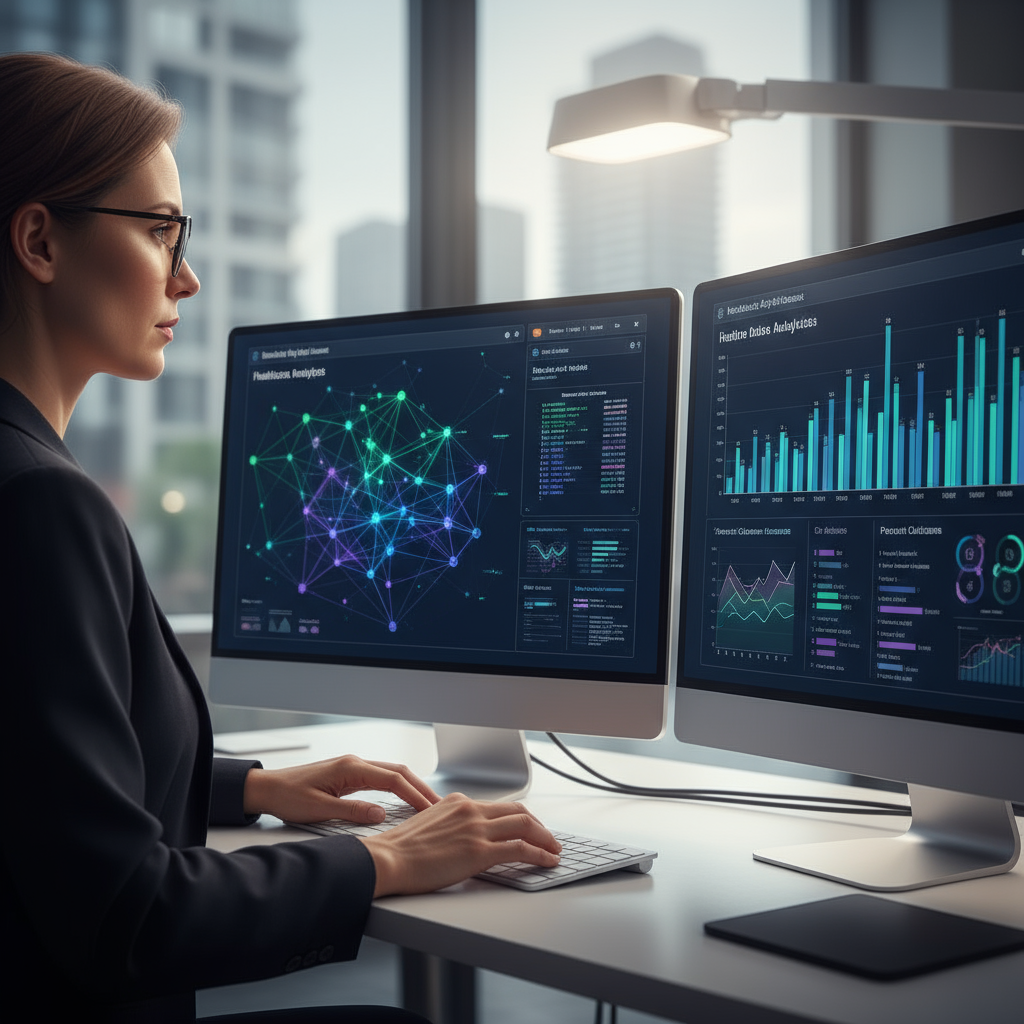
Healthcare and technology are colliding in ways we never imagined. And right at the center of this transformation? Health informatics—a field that’s quietly revolutionizing how we deliver patient care. If you’re fascinated by data, passionate about healthcare, and love solving complex problems, this might be your calling. Health informatics professionals are the unsung heroes working behind the scenes (and sometimes right alongside doctors) to make healthcare smarter, faster, and more effective. Ready to dive into what could be your next career move? Let’s explore the world of health informatics careers together—from the roles that are in high demand right now to the education and skills you’ll need to break in.
Exploring Careers and Roles in Health Informatics
Here’s what’s exciting about health informatics: there’s no single path. Whether you’re drawn to working directly with healthcare teams or prefer diving deep into datasets, there’s likely a role that fits your style. Clinical informatics specialists spend their days collaborating with doctors and nurses, making sure the tech actually works for the people using it. Health data analysts? They’re the detective types, uncovering patterns in complex datasets that can literally save lives. And health IT specialists keep everything running smoothly—because when systems go down in healthcare, it’s not just inconvenient, it’s critical. The beauty is that all these roles share one thing: they require someone who gets both healthcare and technology. (It’s a rare combo, which is why you’re in demand.) If you’re curious about the broader world of data-driven careers, our guide on careers in business analytics shows how these analytical skills translate across industries.
Let’s be real—healthcare runs on data now. Every patient interaction, every test result, every treatment decision creates information that needs to be managed, analyzed, and protected. That’s where you come in. Clinical informatics specialists are basically the bridge between the tech world and the medical world, optimizing electronic health records so that when a doctor needs critical patient information at 2 AM, they can find it instantly. Health data analysts take it further—they’re not just collecting data, they’re finding the stories it tells about treatment effectiveness, population health trends, and ways to improve care. Meanwhile, health IT specialists are the guardians, making sure all this sensitive information stays secure while keeping systems running 24/7. It’s challenging work, but incredibly rewarding. Want to see how these skills apply in specific healthcare settings? Check out our guide on careers in dental hygiene for a look at how informatics plays out in specialized practices.
Key Aspects of Health Informatics Careers
Before you jump in, here’s what you should know about working in health informatics:
- Clinical Collaboration: You’ll be working closely with medical professionals—doctors, nurses, administrators—to design and implement digital tools that actually make their jobs easier and improve patient care.
- Data Management Expertise: Think massive datasets, complex databases, and statistical analysis. You’ll need to be comfortable with numbers and have the technical skills to turn raw data into actionable insights.
- Information System Security: Patient privacy isn’t just important—it’s legally mandated. You’ll need to stay current on HIPAA regulations, cybersecurity best practices, and data protection protocols.
- Adaptability and Continuous Learning: Healthcare technology evolves fast. Really fast. The systems you learn today might be outdated in two years, so staying curious and committed to learning is non-negotiable.
Sound like your kind of challenge? The truth is, if you can handle the pace and complexity, health informatics offers something most careers can’t: the chance to directly impact patient outcomes while working with cutting-edge technology. For more context on how health informatics fits into the bigger picture of healthcare careers, our careers in public health guide shows the broader landscape you’d be entering.
Education and Skills Needed for Health Informatics Success
So what does it actually take to break into health informatics? The short answer: it depends on where you want to land. Most entry-level positions require at least a bachelor’s degree—ideally in health sciences, IT, data science, or something related. But here’s where it gets interesting: many of the best professionals in this field come from diverse backgrounds. Got a nursing degree and taught yourself Python? Perfect. Computer science major who’s passionate about healthcare? Even better. The key is showing you understand both sides of the equation. For senior roles or specialized positions, you’ll often need graduate-level education or industry certifications. And if you’re looking for flexible ways to build these skills while working, our guide on online courses for professional development has some great options that fit around your schedule.
Now, let’s talk certifications—they’re not always required, but they can fast-track your career and prove you know your stuff. The Certified Health Informatics Systems Professional (CHISP) and Registered Health Information Administrator (RHIA) are two that employers actually recognize and value. On the technical side, you’ll want to get comfortable with SQL for database queries, learn at least one programming language (Python is popular for data analysis), and understand health information systems inside and out. Don’t forget the regulatory side—HIPAA compliance isn’t optional in healthcare. The good news? Employers love candidates who show they’re committed to staying current, because let’s face it, everything changes quickly in this field. If you want to see how technology integration works in other professional settings, our guide on careers in education technology offers some interesting parallels.
Key Educational Pathways and Skills
Here’s your roadmap for getting the education and skills you need:
- Academic Degrees: Health informatics, healthcare management, computer science, or data analytics degrees give you the foundation. Pick the one that matches your interests and career goals.
- Certifications and Specialized Training: Industry certifications prove you know what you’re doing with health IT systems, electronic health records, and data security. They’re worth the investment.
- Technical Skills: Get hands-on with data management software, learn programming languages, master statistical tools, and become fluent in EHR platforms. These are your daily tools.
- Soft Skills: Don’t underestimate communication, teamwork, and problem-solving abilities. You’ll be translating between technical and medical teams, so being able to explain complex concepts clearly is crucial.
Bottom line? The combination of solid academic credentials and practical skills will set you apart in a competitive job market. And remember, this is a field where continuous learning isn’t just encouraged—it’s essential for staying relevant. For more ideas on professional development and skill-building, explore our guide on career development courses online to see additional ways to advance your expertise.

Here’s the thing about health informatics—it’s where healthcare meets technology, and honestly? It’s one of the most exciting career paths you can choose right now. If you’re passionate about making healthcare better through data and digital solutions, you’ve found your calling. The field is packed with opportunities, from clinical informatics specialists who work directly with healthcare teams to make electronic health records actually useful, to health data analysts who dig through mountains of healthcare data to find patterns that save lives. And don’t forget health IT specialists—they’re the ones keeping all those critical health systems running smoothly and securely. With healthcare becoming more tech-dependent every day, the timing couldn’t be better to jump in.
Now, let’s be real—breaking into health informatics isn’t just about knowing your way around computers. You need to understand how healthcare actually works, and you’ve got to be ready to keep learning because technology and regulations never stop evolving. Your education matters here. Maybe that’s a degree in health informatics, computer science, or healthcare management. Certifications definitely help too—they show you know your stuff. But here’s what I’ve learned: the professionals who really succeed are the ones with strong communication skills and problem-solving abilities. Why? Because you’re essentially translating between clinical staff and IT teams, and that takes more than technical know-how.
So where does this leave you? The opportunities in health informatics are genuinely exciting and incredibly rewarding. Whether you’re drawn to working closely with clinical teams, diving deep into data analysis, or managing IT systems, there’s a path for you. And here’s the best part—your work will have real impact. You’ll be making healthcare more efficient, keeping patients safer, and helping doctors make better decisions with data. That’s the kind of work that matters.
Want to start taking concrete steps toward your health informatics career? I’d recommend checking out some career development courses online to build those essential skills at your own pace. If you’re curious about how tech and healthcare careers overlap more broadly, take a look at our guide on careers in education technology. Love the idea of working with data? Our detailed breakdown of careers in business analytics will show you how to turn data into decisions that actually matter. And if you’re wondering whether you need a traditional degree, our look at highest paying careers without a degree might surprise you with alternative paths to success. For ongoing skill development (which you’ll definitely need in this field), this comprehensive guide to online courses for professional development is absolutely worth your time.
As you start or grow your health informatics career, keep three things in mind: stay flexible, never stop learning, and build your network. This field moves fast, and that’s what makes it so exciting. You’re not just building a career—you’re helping shape the future of healthcare. Stay curious, invest in yourself, and take those next steps with confidence. Your journey into modern healthcare starts right now.
Frequently Asked Questions
-
What qualifications do I need for a career in health informatics?
- A degree in health informatics or a related field, along with a mix of technical and interpersonal skills, is typically required to enter this field.
-
Is health informatics a growing field?
- Yes, the increasing reliance on healthcare technology and data analytics is driving rapid growth and demand for health informatics professionals.
-
What types of jobs are available in health informatics?
- Various roles exist including clinical informatics specialists, health data analysts, and health IT specialists, each with unique responsibilities and skills.
-
How can I gain experience in health informatics?
- Internships, certifications, and volunteering in healthcare or IT departments provide practical experience and enhance job prospects.
-
What skills are important for success in health informatics?
- Strong technical skills such as data management and software proficiency, combined with communication and problem-solving abilities, are essential.


