
Table of Contents
Introduction
Think about your smartphone, your car, even the coffee mug you’re probably holding right now. Someone had to figure out how to make these things—efficiently, consistently, and at scale. That’s where manufacturing engineering comes in, and honestly? It’s one of the most exciting career paths you probably haven’t thought much about.
Manufacturing engineering isn’t just about factory floors and assembly lines (though those are pretty cool too). It’s the perfect sweet spot where creativity meets problem-solving, where you get to take brilliant ideas and figure out how to actually make them real. The numbers don’t lie—manufacturing drives the global economy, employs millions of people, and keeps evolving with game-changing tech like automation and smart manufacturing. If you’re someone who loves getting your hands dirty with technical challenges while seeing tangible results, this field might just be your calling. Getting a handle on what this career actually involves and what skills you’ll need? That’s your first step toward something pretty amazing. Want to see the full scope of opportunities out there? Check out these diverse jobs in the manufacturing industry—everything from entry-level positions to highly specialized engineering roles.
Here’s what makes manufacturing engineering so compelling: you’re not stuck in one industry. Automotive, aerospace, electronics, consumer goods—take your pick. This variety doesn’t just mean more job opportunities (though that’s nice). It means you could be working on the next electric vehicle one year and developing medical devices the next. You’re literally helping create the innovations that shape how we live and work. The industry keeps growing, which means there’s real demand for people who can design smarter processes, boost quality, and build sustainability into everything they do. Love solving complex puzzles? You’ll fit right in. And if you’re curious about how all these manufacturing processes connect to the bigger picture, understanding technology in supply chain management gives you valuable insight into how your work supports entire production ecosystems.
Now, here’s something most people don’t realize: manufacturing engineering isn’t just about the technical stuff. You’ll be dealing with budgets, managing resources, making financial decisions that impact entire projects. The engineers who really excel? They understand both the technical and business sides. That’s why learning about things like effective budgeting techniques can actually make you better at managing manufacturing project costs. It’s all connected, and this broader perspective sets you up to influence real organizational success—not just solve technical problems.
What You’ll Learn in This Guide
We’re going to walk through everything you need to know about building a career in manufacturing engineering. No fluff, just practical insights that’ll help you make smart decisions about your future. Here’s what we’ll cover:
- Introduction to Manufacturing Engineering: Let’s start with the basics—what manufacturing engineers actually do every day and how they make a difference across different industries. You’ll get a clear picture of the core responsibilities and understand why this profession has such a huge impact on production quality and efficiency.
- Educational Requirements and Skills: The real talk about what degrees you’ll need, which certifications matter, and what technical skills will set you apart. We’ll also dig into why continuous learning isn’t just nice-to-have—it’s essential—and how hands-on experience accelerates your growth.
- Career Paths and Opportunities: From your first engineering role to potential leadership positions, we’ll map out the different directions your career can take. Plus, you’ll get the inside scoop on which industries are hiring and where the hottest opportunities are right now.
- Benefits and Challenges: The complete picture—job stability, salary potential, opportunities to work on cutting-edge innovations, but also the reality of high-pressure environments and the need to keep your skills sharp as technology evolves.
After we cover these fundamentals, we’ll dive deeper into each area with actionable advice and resources you can actually use. By the way, if you’re interested in how technology is reshaping different career fields, you might find it helpful to explore careers in education technology—it’s fascinating to see how tech advancement creates opportunities across various industries.
My goal here is simple: give you everything you need to make an informed decision about whether manufacturing engineering is right for you. Whether you’re a student trying to pick a major, a professional considering a career pivot, or just someone who’s curious about what manufacturing careers actually look like, you’ll walk away with clear, practical insights that match your situation and goals.
Manufacturing engineering goes way beyond just making stuff. It’s about designing processes that are efficient, innovative, and sustainable—processes that literally keep industries moving forward. Ready to explore this dynamic field? Let’s dig in and see how you can build a career that combines creativity, technical expertise, and strategic thinking in ways that make a real difference.
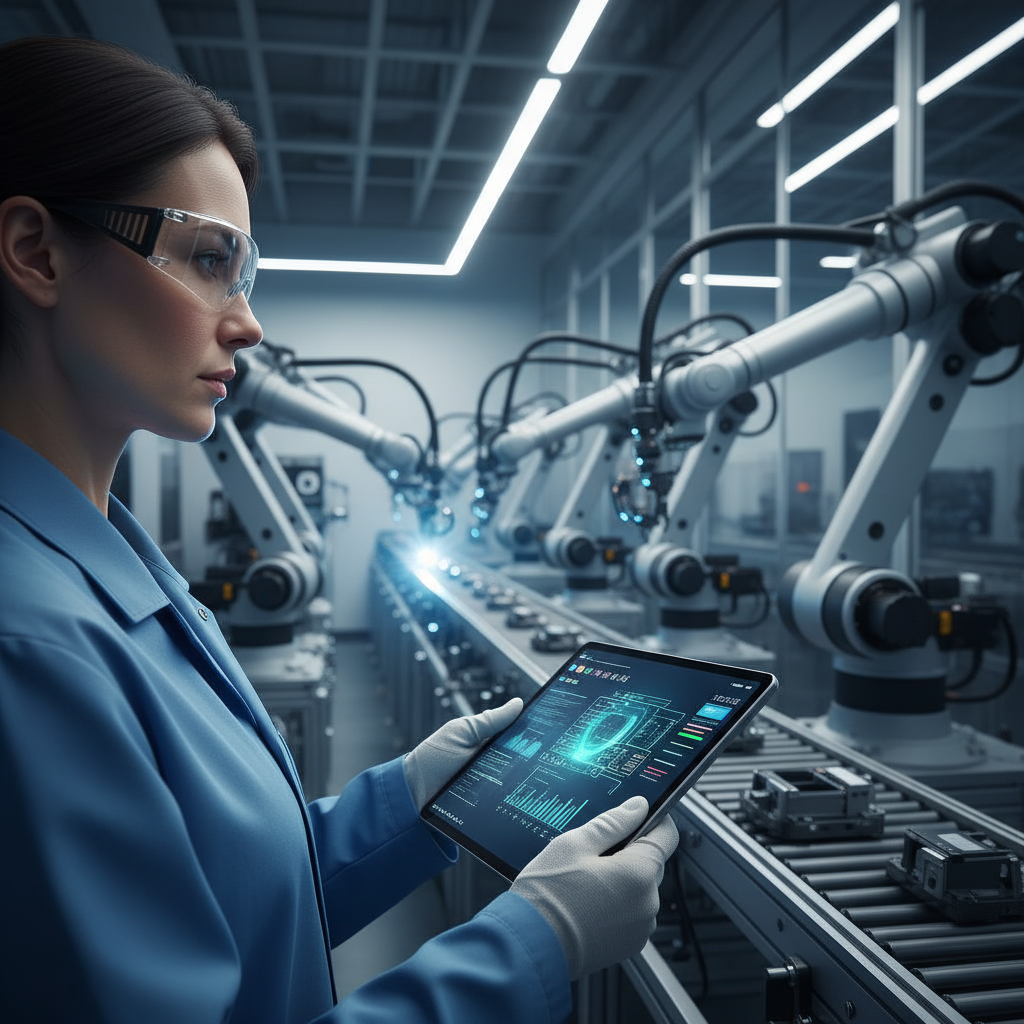
Manufacturing engineering? It’s where innovation meets reality on the factory floor. This field sits right in the sweet spot between cutting-edge technology and hands-on problem-solving, offering incredible career opportunities across industries you probably interact with daily—automotive, aerospace, electronics, even the gadgets in your pocket. Here’s what’s exciting: as technology keeps advancing and manufacturing gets smarter, companies are scrambling to find skilled professionals who can keep up. If you’re thinking about jumping into this field, you’ve picked a great time to explore what manufacturing engineering is all about and how to build a career that actually matters.
What is Manufacturing Engineering and Its Core Responsibilities
Think of manufacturing engineering as the art and science of making things efficiently. These engineers design, implement, and constantly improve how products get made—ensuring everything runs smoothly, stays cost-effective, and meets quality standards that would make your grandmother proud. It’s a role that demands technical know-how, serious problem-solving skills, and an eye for detail that catches problems before they become expensive headaches. Want to get the full picture? Start by understanding jobs in the manufacturing industry first—it’ll give you context for how these roles fit into the bigger manufacturing ecosystem.
Here’s where it gets interesting. Manufacturing engineers aren’t just making widgets anymore—they’re integrating robots, automation systems, and smart technologies into production lines. Their decisions directly impact everything from product quality to environmental sustainability. (And yes, your wallet too, since they’re the ones figuring out how to make things cost less.) The cool part? This field overlaps with industrial engineering and quality assurance, making your knowledge incredibly versatile. Speaking of versatility, check out careers in the automotive industry to see how manufacturing expertise translates into one of the most dynamic sectors out there.
Key Aspects of Manufacturing Engineering
So what exactly do manufacturing engineers spend their days doing? Let me break down the core responsibilities that define this career:
- Designing Manufacturing Processes: This is where creativity meets practicality. Engineers create workflows that are fast, scalable, and maintain product quality—no small feat. They’re constantly thinking ahead, spotting potential bottlenecks before they happen, and dreaming up process improvements that keep companies competitive.
- Improving Production Efficiency: It’s like being a detective, but for production lines. Continuous optimization means finding ways to cut waste, reduce costs, and keep output consistent. Many engineers swear by Lean manufacturing and Six Sigma methodologies—and for good reason.
- Quality Control and Assurance: Nobody wants their product to fail in the field. These engineers develop testing protocols and monitoring systems that catch issues early. They also create quality documentation and train production teams—because the best system in the world is useless if people don’t know how to use it.
- Cross-Industry Applications: Here’s the beautiful thing about this field—the skills transfer everywhere. Whether it’s aerospace (where precision is life-or-death) or electronics (where tiny details matter enormously), manufacturing engineers adapt their expertise to meet specific industry demands.
Now that you understand what manufacturing engineers actually do day-to-day, let’s talk about how you can prepare yourself to succeed in this field. The educational requirements and skills might surprise you.
Educational Requirements and Skillsets for Manufacturing Engineering Careers
Breaking into manufacturing engineering requires solid educational groundwork—but it’s not just about the degree. You need practical experience and the right mindset to tackle real-world manufacturing challenges. Companies want people who can hit the ground running in environments where downtime costs thousands of dollars per minute. For a reality check on what the market actually wants, dive into careers in manufacturing engineering and see how educational requirements align with job opportunities.
The skill set is fascinating because it’s not purely technical. Sure, you need the engineering chops, but you also need to be part detective, part diplomat, and part innovator. Manufacturing engineers work with everyone—from the person operating the machinery to the executives making strategic decisions. That means your analytical abilities matter just as much as your people skills.
Key Skills to Cultivate
Want to stand out in this field? Focus on developing these core competencies:
- Technical Knowledge in Engineering Principles: You’ll need solid grounding in mechanical design, materials science, and process engineering. But here’s what schools sometimes miss—software proficiency is huge now. CAD programs, simulation platforms, and data analysis tools aren’t nice-to-haves anymore; they’re essential.
- Problem-Solving Abilities: When a production line goes down, you’re the person everyone looks to for answers. Fast diagnosis of process hiccups, quality issues, and equipment problems separates good engineers from great ones. The pressure can be intense, but solving these puzzles is incredibly rewarding.
- Attention to Detail: In manufacturing, small mistakes become big problems fast. Whether you’re reviewing design specifications or conducting final quality checks, precision isn’t optional—it’s what keeps products working and companies profitable.
- Communication and Teamwork: This might be the most underrated skill on this list. You’ll work with production staff, design teams, suppliers, management—basically everyone. Clear communication prevents misunderstandings that cost money and time. Plus, you’ll often train others, so being able to explain complex concepts simply is gold.
The education side is pretty straightforward, but the options might be broader than you think. A bachelor’s degree in manufacturing or mechanical engineering is typically the starting point, but professional certifications can set you apart. Six Sigma and Lean credentials tell employers you’re serious about quality and efficiency. For the complete roadmap, check out degrees and certifications in manufacturing engineering to plan your educational journey strategically.
Relevant Degrees and Certifications
Here’s your educational game plan:
- Bachelor’s Degree in Manufacturing or Mechanical Engineering: This gives you the foundation—design principles, materials knowledge, and systems thinking that everything else builds on. Most employers consider this the minimum entry ticket.
- Professional Certifications (e.g., Six Sigma, Lean): These aren’t just pieces of paper—they prove you understand process improvement and quality management at a deep level. Employers love seeing these credentials because they know you can deliver results.
- Continuing Education and Training: Here’s the reality—manufacturing technology never stops evolving. Automation, AI, digital twins, IoT sensors… staying current requires ongoing learning. The good news? Most companies support professional development because they need you to stay sharp too.
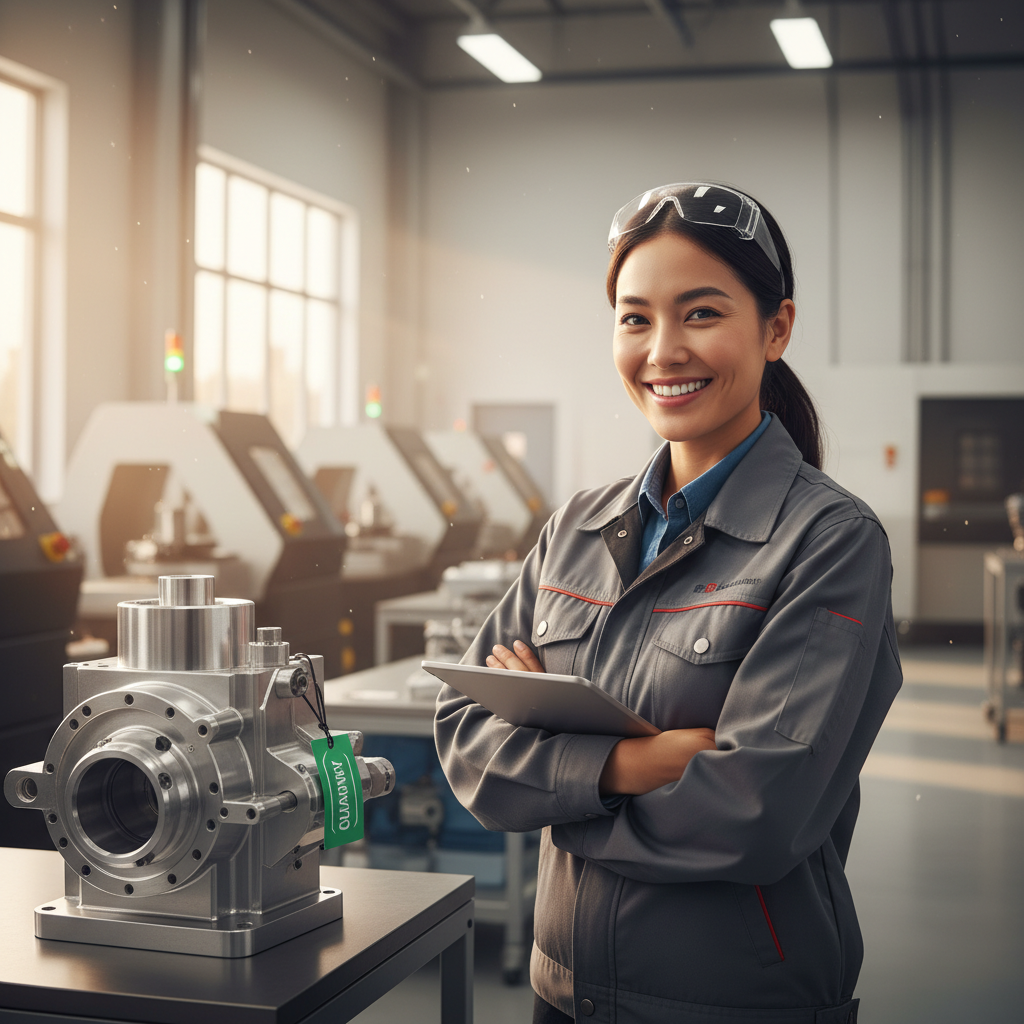
Manufacturing engineering? It’s honestly one of the most exciting career paths out there right now. Think about it—you get to blend serious technical know-how with creative problem-solving every single day. We’ve covered a lot of ground here, from the core responsibilities (designing those smooth production processes) to maintaining quality standards across industries like automotive, aerospace, electronics, and consumer goods. The opportunities are everywhere, especially with automation and smart manufacturing changing the game. Here’s what you need to know: a solid educational foundation matters. We’re talking bachelor’s degree in manufacturing or mechanical engineering, plus certifications like Six Sigma to really sharpen those process improvement skills. The must-have competencies? Technical knowledge (obviously), attention to detail that borders on obsessive, communication skills that actually work, and teamwork—because you’ll be collaborating with everyone from the factory floor to the C-suite.
Now, let’s be real about what you’re getting into. Manufacturing engineering has some serious perks—competitive salaries, job stability that’s hard to find these days, and the chance to actually innovate in industries that shape how we live. But it’s not all smooth sailing. You’ll face high-pressure situations that’ll test you, and the learning never stops (seriously, these industries move fast). Whether you start as a process engineer or have your sights set on project management or R&D, the career paths are surprisingly flexible. You can grow, specialize, pivot—whatever fits your style. The key is understanding what you’re signing up for and coming prepared with the right skills and education.
Ready to make this happen? Start with the basics: get that degree and pursue certifications that show you’re serious about quality and efficiency. But here’s where it gets real—you need hands-on experience. Internships, entry-level roles, anything that gets you on the factory floor or working with actual production processes. Want to explore some related paths? Check out careers in the automotive industry—there’s tons of overlap with manufacturing engineering. If you’re more tech-focused, careers in education technology might catch your interest. And hey, if you’re wondering about alternatives, take a look at highest paying careers without a degree. Plus, emerging fields like biotechnology careers can give you a broader perspective on what’s possible in engineering-related fields.
Here’s the bottom line: your technical skills matter, but so do your passion for innovation and your willingness to keep learning. This career isn’t just about making products—you’re literally impacting industries around the world. That’s pretty amazing when you think about it. If you want personalized guidance along the way, check out career coaching near me for some expert support. With the right preparation and mindset, you’re going to do great in this field. Your manufacturing engineering journey starts now—and trust me, the opportunities are waiting.
Frequently Asked Questions
-
What education do I need to become a manufacturing engineer?
- A bachelor’s degree in manufacturing or mechanical engineering is typically required.
-
What skills are important for manufacturing engineers?
- Technical knowledge, problem-solving, attention to detail, and teamwork are essential skills.
-
What industries employ manufacturing engineers?
- Common industries include automotive, aerospace, electronics, and consumer goods.
-
What are the advancement opportunities?
- Manufacturing engineers can advance to project management, supervision, and R&D roles.
-
Is manufacturing engineering a stable career?
- Yes, it offers job stability and competitive salaries.


