
Table of Contents
Introduction
Ever catch yourself admiring a flower and wondering how it knows when to bloom? Or maybe you’ve walked through a forest and felt curious about the intricate ecosystem thriving all around you. If so, you might be perfect for a career in botany. This fascinating field—the scientific study of plant life—opens doors to careers that genuinely matter for our planet’s future.
Here’s what’s exciting: as the world wakes up to sustainability and environmental conservation, botany careers are having a major moment. We’re talking about meaningful work that spans research, agriculture, conservation, pharmaceuticals, and education. And if you’re already thinking about environmental science careers, botany gives you the plant expertise that’s absolutely essential for understanding ecosystems and biodiversity. Specialized education in botanical sciences? It’s your ticket to academic roles or hands-on industry work. You’ll also want to check out careers in biotechnology—there’s serious overlap when it comes to plant genetics and applied research.
Now, let’s be real about what it takes. Botanists need solid science fundamentals plus the practical skills for both fieldwork and lab research. You’re looking at everything from undergraduate biology programs to graduate-level botanical research degrees. And here’s something interesting—if you want to expand your skill set while climbing the career ladder, resources on careers in educational technology show just how important continuous learning and adaptability are. These skills translate beautifully to botanical education and outreach roles.
But botany doesn’t exist in a vacuum. (Nothing in science really does.) Your plant expertise connects to so many other fields it’s almost dizzying. Take public health careers—botanists contribute to research on medicinal plants and health-related environmental studies. This broader perspective doesn’t just expand your career options; it makes you part of the interdisciplinary collaboration that drives modern scientific breakthroughs.
What You’ll Learn in This Guide
Ready to explore the world of botany careers? We’ve got you covered with everything you need to take your first steps—or your next big leap—in this field. Here’s what we’re diving into:
- Understanding Botany: We’ll start by defining botany and its crucial role in studying plant life and ecosystems, highlighting why this field matters more than ever.
- Educational Pathways: Discover the degrees, certifications, and continuing education options that prepare you for various botany careers, including undergraduate and advanced studies.
- Career Opportunities: Explore the wide range of jobs available, from research and academic roles to applied botany in agriculture, conservation, and the pharmaceutical industry.
- Skills and Advancement: Learn about the essential scientific, analytical, and communication skills needed to succeed and how to find jobs and grow professionally in botany.
Think of this as your roadmap to a career where your love for plants translates into real-world impact. We’re talking practical advice, insider insights, and the confidence you need to navigate this path successfully. Because when you can turn your passion into meaningful work? That’s when careers become truly fulfilling.
Coming up, we’ll break down the foundational knowledge of botany, map out the educational routes to becoming a botanist, and showcase the incredible variety of careers this field supports. Plus, you’ll get a clear picture of the skills you need and smart strategies for advancing your career. If the academic side appeals to you, exploring education technology careers reveals how technology is revolutionizing botanical education and research sharing.
The beautiful thing about plant science? It connects to everything. Environmental science, health research, technology—the intersections create opportunities you might never have imagined. We’ll show you how to spot these connections and carve out your own unique niche. So get ready to embark on this journey into the natural world and discover where your botany career could take you. Every discovery you make, every plant you study, adds to our understanding of life itself.
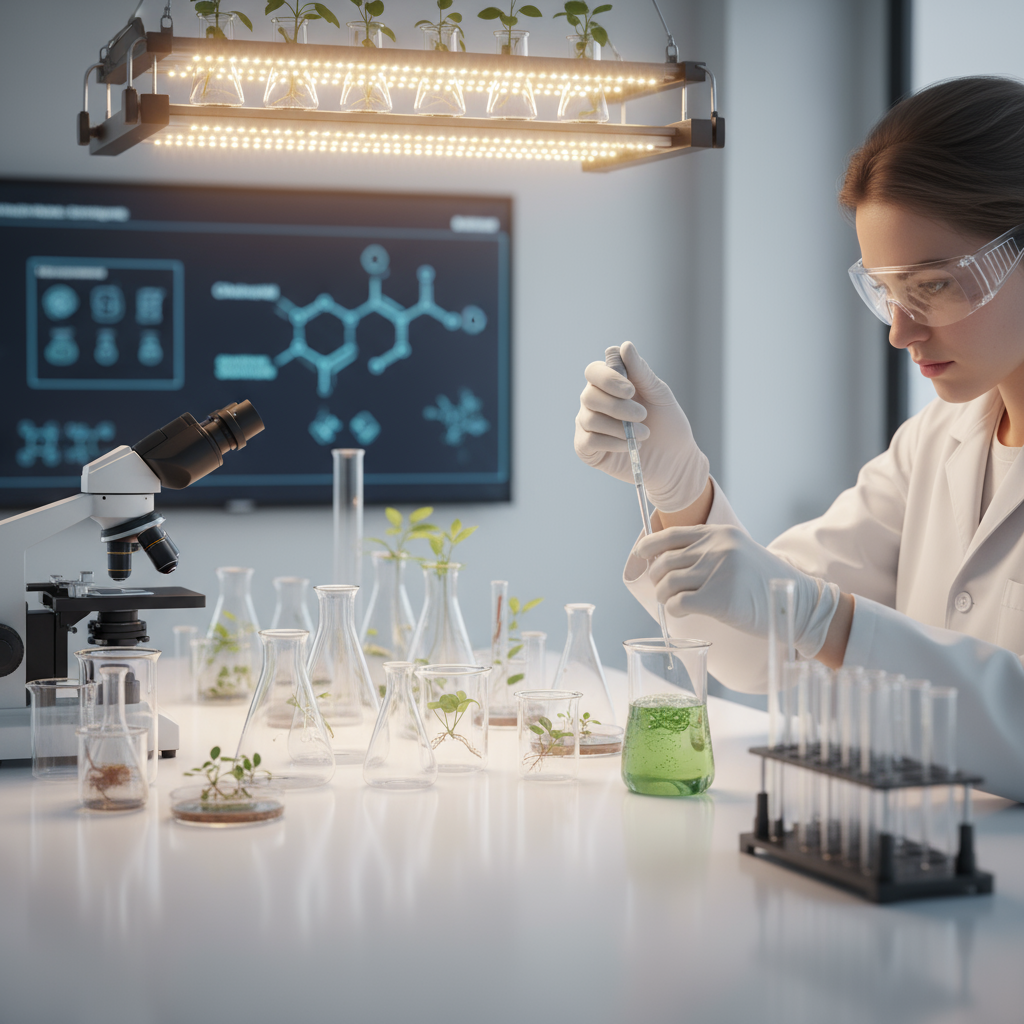
So you’re thinking about diving into the world of plants? Smart choice. Botany isn’t just about memorizing Latin names (though there’s some of that). It’s about understanding the green world around us and finding your place in it—whether that’s in a lab, out in the field, or somewhere completely unexpected. Let’s walk through what it actually takes to build a career in plant science and explore the surprisingly diverse paths that open up once you do.
Educational Pathways for Careers in Botany
Here’s the thing about botanical careers—they all start with a solid educational foundation, but there’s more flexibility than you might think. Most people begin with an undergraduate degree in biology or plant sciences, diving into courses that cover everything from plant physiology to genetics and ecology. These programs give you the fundamentals you’ll need, no matter where your botanical journey takes you. And speaking of journeys, you might want to check out careers in biotechnology—the plant-based research happening there is absolutely fascinating and shows just how much potential there is for botanists in cutting-edge fields.
Graduate school is where things get really interesting. Master’s and PhD programs let you zero in on what genuinely excites you—maybe it’s plant pathology, environmental interactions, or something entirely different. These programs aren’t just about cramming more information into your head; they’re about learning to think critically, design experiments that actually work, and develop the advanced lab skills that separate the pros from the amateurs. The cool part? Your botanical knowledge can take you in directions you never expected. Take pharmaceuticals, for instance—so many breakthrough drugs come from plants, which makes careers in pharmaceuticals a natural fit for botanists who specialize in medicinal plants.
Key Components of Botanical Educational Pathways
Let’s break down what you’ll want to focus on as you map out your educational game plan:
- Undergraduate Degrees: Biology, environmental science, or plant science degrees are your starting point. You’ll cover plant anatomy, taxonomy, and ecology—basically building the scientific foundation you’ll need whether you end up in research or applied work.
- Graduate Studies: This is where you get to specialize. Master’s and doctoral programs let you dive deep into areas like plant genetics, conservation biology, or molecular biology. These advanced degrees don’t just boost your expertise—they open doors to academia and high-level research positions.
- Certifications and Continuing Education: Want to stand out? Certifications in ecological restoration, agricultural sciences, or environmental management can make a real difference on your resume. Plus, the field keeps evolving, so staying current through workshops and online courses isn’t just helpful—it’s necessary.
- Interdisciplinary Learning: Here’s where it gets exciting. Combining your botanical knowledge with fields like biotechnology, pharmaceuticals, or even educational technology can set you apart and spark innovation you never saw coming.
The goal is building both depth and versatility—because the biological sciences are changing fast, and you want to be ready for whatever comes next. Actually, if you’re curious about how technology is reshaping scientific education itself, take a look at careers in educational technology. The learning tools and methods being developed are completely transforming how we teach and learn science.
Now that we’ve covered the educational side, let’s talk about where all this knowledge can actually take you. Spoiler alert: the career options are way more diverse than most people realize.
Types of Careers in Botany
Ready for some good news? Botany graduates have options. Lots of them. Research and academic roles are still the classic path—think university positions, botanical gardens, government labs—places where you’re pushing the boundaries of what we know about plant biology and ecology. These roles let you contribute to real scientific breakthroughs while shaping the next generation of plant scientists. If you want to see how closely this connects to other scientific fields, explore careers in environmental science. There’s tons of overlap, especially in conservation and ecosystem management.
But here’s where it gets really interesting—applied botany careers are booming. We’re talking agriculture, horticulture, pharmaceuticals, biotechnology. Instead of just studying plants, you’re solving real-world problems: boosting crop yields, developing plant-based medicines, making farming more sustainable. The work often involves collaborating with teams from completely different backgrounds to turn botanical research into products people actually use. And the applications keep expanding. Medical technology, for example, increasingly relies on botanical expertise for developing diagnostic tools and therapeutic innovations. Check out careers in medical technology to see how your plant knowledge could contribute to healthcare breakthroughs.
Key Career Opportunities in Botany
Here’s the breakdown of where your botanical expertise can take you:
- Research and Academic Roles: University faculty, research scientists, botanical garden curators—these are the discovery-focused positions. You’ll be publishing papers, teaching, and contributing to our global understanding of plants. It’s about expanding knowledge and sharing it with the world.
- Applied Botany Careers: This is where botanical knowledge meets real-world applications. You might work in agriculture developing new crop varieties, in horticulture managing plant diseases, or in pharmaceuticals creating plant-derived medications.
- Environmental and Conservation Careers: Your plant expertise becomes crucial for ecosystem management, preserving biodiversity, and tackling climate change. Think conservation biologist, environmental consultant, or policy advisor—roles where you’re directly protecting our natural world.
- Industry and Government Roles: Many botanists work behind the scenes with regulatory agencies, environmental organizations, and private companies. You might ensure environmental law compliance, conduct impact assessments, or help develop sustainable business practices.
What I love about botanical careers is their versatility. Whether you’re happiest in a lab conducting detailed research or out in the field doing hands-on conservation work, there’s a place for you in plant science. The key is building that solid educational foundation and then adding the specialized training that matches where you want to go.

Here’s the bottom line: botany isn’t just about studying plants anymore. It’s become this incredibly dynamic field that touches everything from fighting climate change to developing life-saving medicines. Whether you’re drawn to the thrill of discovering new species in remote rainforests, helping farmers grow better crops, or working in labs to unlock the secrets of plant genetics, there’s probably a botany career that fits your passion. And the best part? You don’t need to follow just one path—your education can be as flexible as your interests, from a solid biology undergrad degree to specialized graduate work that makes you an expert in exactly what excites you most.
But here’s something they don’t always tell you in school: success in botany isn’t just about memorizing plant families (though that helps). You’ll need to get comfortable with everything from precise lab techniques to muddy fieldwork, and yes, you’ll need to be able to explain your findings to people who think photosynthesis is just a fancy word. The cool thing is that botanists work everywhere these days—universities, government agencies, private companies, you name it. Plus, botany plays well with others; it connects beautifully with fields like biotech and pharmaceutical research, opening doors you might not even know existed yet.
Ready to explore where this could take you? Start by checking out some related fields that often overlap with plant science. If you’re fascinated by the cutting-edge side of things, careers in biotechnology will show you how botanists are revolutionizing everything from crop engineering to sustainable materials. Love the idea of plants healing people? Dive into careers in pharmaceuticals—you’d be amazed how many medicines start with a plant. And if you’re someone who gets excited about sharing knowledge and using cool tech to teach others, careers in educational technology might be your sweet spot.
Want the bigger picture? Take a look at careers in environmental science. This is where you’ll see how botanical knowledge becomes a superpower for tackling massive challenges like ecosystem restoration and sustainable development. It’s pretty incredible how understanding plants can help save entire ecosystems.
Starting a career in botany means signing up for work that actually matters. You’re not just studying plants—you’re potentially helping solve food security, developing new medicines, or protecting biodiversity for future generations. That’s the kind of career that makes Monday mornings feel different, you know? With the right education and a willingness to keep learning (because science never stops evolving), your plant science journey can take you places you haven’t even imagined yet. Speaking of expanding horizons, don’t miss the guide on careers in public health—another field where your botanical expertise could make a real difference in people’s lives.
Frequently Asked Questions
-
What types of jobs can I get with a degree in botany?
- With a botany degree, you can pursue roles in research, agriculture, conservation, education, and a variety of industry sectors including pharmaceuticals and biotechnology.
-
Do I need a graduate degree to work in botany?
- While many entry-level jobs require only a bachelor’s degree, advanced positions particularly in research and academia often require a master’s or PhD.
-
What skills are most important for botanists?
- Key skills include scientific knowledge, fieldwork and laboratory experience, analytical abilities, and strong communication and collaboration capabilities.


