Table of Contents
Introduction
Want a career that actually makes a difference? One where you wake up knowing your work matters—really matters? Public safety careers might be exactly what you’re looking for. These aren’t just jobs; they’re callings that put you on the front lines of protecting your community. From rushing into burning buildings to solving crimes that keep families safe, public safety professionals are the people others count on when everything goes wrong. And if you’ve been wondering whether this path could be right for you, you’re in the right place.
Here’s what makes public safety careers so unique: they’re essential. Always. Think about it—no matter what’s happening in the world, communities need police officers, firefighters, EMTs, and emergency coordinators. These professionals don’t just show up during the obvious emergencies either. They’re preventing crimes, educating the public, planning for disasters, and keeping the systems running that most people never even think about. The job security is solid, but more importantly, you’ll know your work has real impact every single day. Not everyone can say that about their career. And speaking of careers with good prospects, if you’re curious about other paths that don’t require a traditional four-year degree, check out highest paying careers without a degree.
The variety in this field is honestly incredible. You’ve got your classic roles—cops, firefighters, paramedics—but there’s so much more. Disaster management coordinators who plan for hurricanes and earthquakes. Crime analysts who use data to predict where problems might pop up. Emergency dispatchers who are literally the calm voice in someone’s worst moment. The skills you need vary wildly too, which means there’s probably a spot that fits your particular strengths. Love helping people but also fascinated by public health? There’s major overlap there, and you can explore those connections in careers in public health. More interested in the infrastructure side—making sure roads are safe and transportation runs smoothly? That’s public safety too, and careers in transportation breaks down those opportunities.
Let’s be real about something though: these jobs can be tough. Really tough. You’re dealing with people on their worst days, making split-second decisions that matter, and sometimes seeing things you wish you hadn’t. The stress is real, and burnout isn’t just a buzzword—it’s something you need to actively manage. The good news? Understanding this upfront means you can prepare for it. Learning how to handle stress and take care of yourself isn’t just smart—it’s essential for a long, successful career in this field. There are proven strategies that work, and how to avoid burnout at work covers the fundamentals that apply across high-stress careers.
What You’ll Learn in This Guide
This guide will walk you through everything you need to know about building a career in public safety. We’re going to cover the real deal—not just the glamorous stuff you see on TV, but what these jobs actually involve and how to succeed in them. Here’s what we’ll dig into:
- Overview of Public Safety Careers: Gain insights into the critical roles, responsibilities, and impact of public safety professionals in communities.
- Skills and Qualifications: Understand the physical, mental, educational, and technical requirements for success in public safety roles.
- Job Outlook and Benefits: Learn about job stability, growth prospects, and the advantages of choosing a career in public safety.
- Training and Career Pathways: Explore education options, certifications, training, and tips to launch and advance your public safety career.
We’ll also touch on some related fields that might surprise you. Technology is revolutionizing public safety in ways most people don’t realize—from predictive policing algorithms to emergency response apps. If you’re tech-savvy, understanding careers in software engineering could open doors you didn’t know existed. And since communication is huge in public safety—whether you’re coordinating with other agencies or keeping the public informed—fields like careers in public administration and careers in journalism might offer interesting angles you hadn’t considered.
Before you dive in, take a moment for some honest self-reflection. What draws you to public safety? Are you someone who stays calm under pressure, or do you thrive on adrenaline? Do you prefer being out in the field, or are you more of a behind-the-scenes planner? There’s no wrong answer, but knowing yourself helps you find the right fit. Talk to people already in the field if you can—most public safety professionals are pretty generous with their time when someone’s genuinely interested in the work. And when you do land that first interview or job offer, don’t forget that salary negotiation is part of the process. Even in public service, knowing how to negotiate salary for a new job can help ensure you’re fairly compensated for the important work you’ll be doing.
Bottom line? A career in public safety isn’t for everyone, but for the right person, it’s incredibly rewarding. You’ll face challenges, sure, but you’ll also have the chance to make a real difference in people’s lives. That’s not something you can put a price on. Ready to explore what this path might look like for you? Let’s get started.

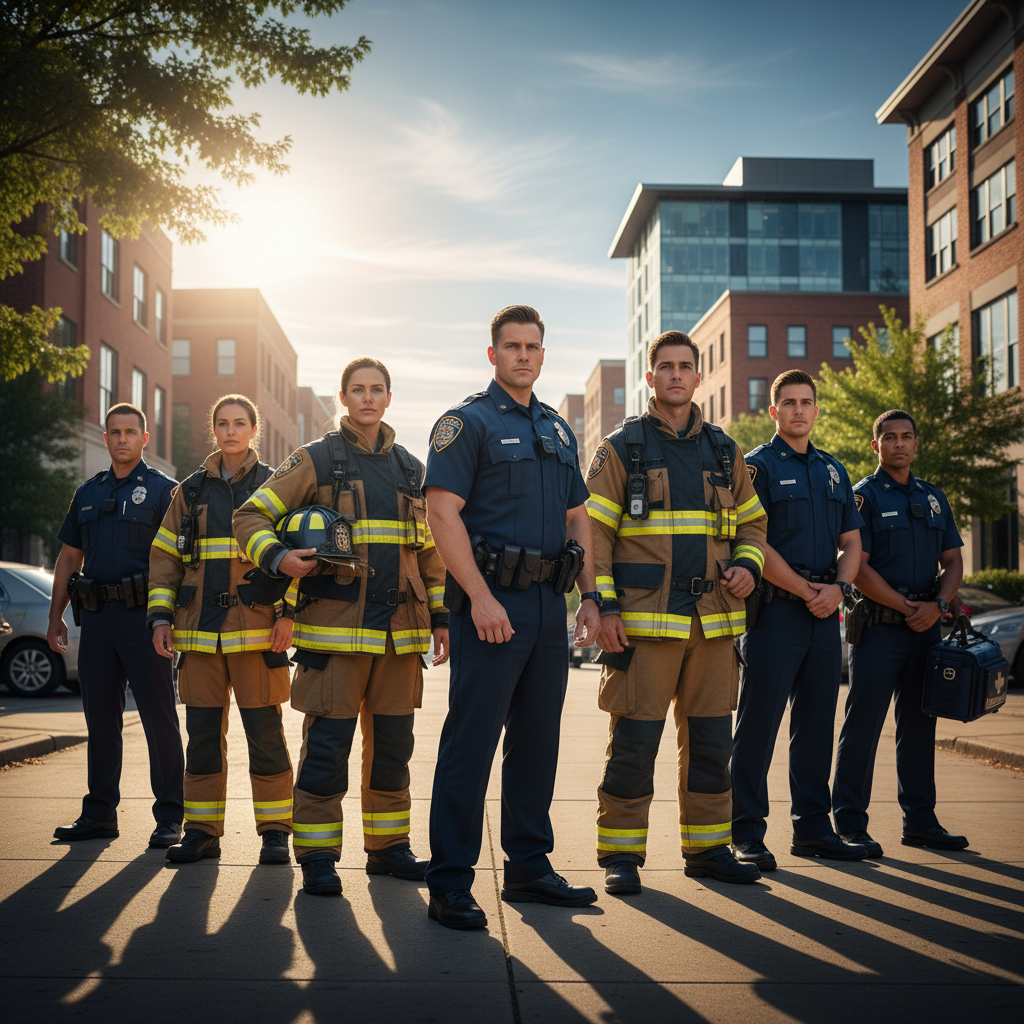
Think public safety is just about cops and firefighters? Think again. This field is packed with incredible career opportunities that go way beyond what most people imagine. We’re talking about a whole world of professionals dedicated to keeping communities safe—from the officer on patrol to the emergency dispatcher who never panics under pressure, to the disaster management coordinator who plans for the unthinkable. These aren’t just jobs; they’re callings that demand everything from physical grit to sharp technical skills and genuine people smarts. If you’re someone who wants to make a real difference every single day, understanding what’s out there in public safety could be the career game-changer you’ve been looking for.
Types of Careers in Public Safety
Here’s where things get interesting—public safety careers come in way more flavors than you might expect. Sure, everyone knows about police work and firefighting, but the field actually breaks down into three main areas that work together like a well-oiled machine: law enforcement, fire and emergency services, and disaster management. Each one plays a crucial part in keeping us all safe and sound. If you’re just starting to explore this field, checking out careers in public health can give you some solid background on how community safety and health services work hand in hand.
Take law enforcement, for example. Yes, it includes police officers and detectives doing the crime-fighting work you see on TV. But it also covers federal agents, cybercrime specialists, and forensic experts who solve cases using cutting-edge science. These roles require serious training, top-notch physical condition, and rock-solid ethics. The cool part? Modern law enforcement keeps evolving with technology, creating specialized positions that didn’t even exist a decade ago.
Key Aspects of Public Safety Career Types
Let’s break down what makes each path unique—because knowing these differences will help you figure out where you might fit best:
- Law Enforcement: This field involves maintaining public order, protecting citizens, and investigating criminal activities. It requires excellent problem-solving skills, physical stamina, and an unwavering commitment to justice.
- Fire and Emergency Services: Firefighters, paramedics, and EMTs respond swiftly to emergencies such as fires, accidents, and medical crises. These roles demand quick thinking, physical fitness, and the ability to perform under pressure.
- Disaster and Emergency Management: Professionals in this area plan for and coordinate responses to large-scale incidents like natural disasters. Strong organizational skills, strategic planning, and effective communication are essential.
- Specialized Opportunities: Within these categories exist specialized careers such as hazardous materials technicians, K9 handlers, and emergency dispatchers, each critical to comprehensive public safety.
What’s really amazing is how all these different roles work together. Think of it like a symphony—every player has their part, and when they’re all in sync, the result is beautiful. (In this case, beautifully protected communities.) Now that you’ve got the big picture, let’s dig into what it actually takes to succeed in these fields.
Skills and Qualifications Needed for Public Safety Careers
Okay, let’s get real about what it takes to thrive in public safety. We’re not just talking about being tough (though that helps). You need to be physically fit, mentally sharp, technically savvy, and genuinely good with people. It’s like being a Swiss Army knife—you’ve got to have multiple tools ready to go at any moment. The stress factor? It’s real, and you’ll need solid coping strategies to handle whatever gets thrown your way. If you want to understand more about the leadership and decision-making skills that’ll set you apart, our guide on careers in public administration dives deep into the mental agility and quick thinking that make or break careers in high-stakes public service.
But here’s what many people don’t realize: being great at this job often comes down to how well you communicate and work with others. When chaos erupts, clear communication can literally save lives. You’ll need to de-escalate conflicts, work with people from all walks of life, and sometimes deliver news that nobody wants to hear—all while keeping your cool. The technical side varies by role, but expect everything from emergency medical certifications to specialized training programs, plus educational requirements that range from high school diplomas to advanced degrees.
Essential Skills and Qualifications Breakdown
Here’s what employers are really looking for when they evaluate public safety candidates:
- Physical and Mental Fitness: High levels of stamina and resilience enable professionals to perform demanding physical tasks while maintaining composure during emergencies.
- Communication and Interpersonal Skills: Effective verbal and non-verbal communication fosters teamwork and aids in de-escalating conflicts and engaging communities constructively.
- Technical and Educational Requirements: Certifications and degrees in law enforcement, emergency medical services, or disaster management provide foundational knowledge and qualifications.
- Continuous Learning and Adaptability: The rapidly evolving landscape of public safety requires ongoing training to stay updated on best practices, technology, and regulatory changes.
The bottom line? This field rewards people who never stop learning and growing. Technology keeps changing, best practices evolve, and new challenges pop up all the time. But if you’re willing to put in the work to develop these skills and earn the right credentials, you’re looking at a career that’s not just rewarding—it’s essential. And that brings us to what you can actually expect in terms of job prospects and benefits in this vital field.

Here’s what really strikes me about public safety careers—they’re not just jobs. They’re genuine opportunities to make a difference in your community every single day. We’ve walked through everything from police officers and firefighters to EMTs and disaster management professionals. Sure, each role has its own unique challenges and responsibilities, but they all share something special: keeping people safe and helping communities thrive. You’ll need physical stamina, mental toughness, and solid people skills, plus the right training and certifications. But honestly? These aren’t careers you stumble into—they’re callings that demand real dedication and courage.
The job market for public safety? It’s rock solid. There’s always going to be demand for people willing to step up and protect others. And let’s talk perks—job security is just the beginning. You’re looking at competitive pay, excellent benefits, comprehensive healthcare, and retirement plans that actually mean something. Getting there isn’t one-size-fits-all either. Maybe you’ll go the college route, or perhaps you’ll jump straight into certification programs and learn on the job. Both paths work. And here’s something crucial that doesn’t get talked about enough: taking care of your mental health isn’t optional in this field. The stress is real, the pressure can be intense, but with the right support and coping strategies, you can build a career that lasts—and one that deeply rewards you along the way.
Ready to take the next step? Start by exploring what really interests you. Your passion might extend beyond traditional public safety roles. If community health gets you excited, check out careers in public health—there’s surprising overlap between these fields. Love logistics and keeping things moving? Take a look at careers in transportation for fresh perspective. Drawn to policy and the bigger picture? Our guide on careers in public administration might surprise you. Want to sharpen your communication skills? Understanding careers in journalism can be incredibly valuable. And once you’re ready to make your move, learning how to negotiate salary for a new job will help you secure the compensation you deserve.
The bottom line? A career in public safety will challenge you, change you, and give you something money can’t buy—the knowledge that your work matters. With the right preparation, training, and mindset, you’ll join an incredible community of people who’ve chosen to stand between danger and the people they’ve sworn to protect. It’s not easy work, but it’s meaningful work. And in a world that can feel pretty chaotic sometimes, that matters more than ever. Your journey starts now—with smart choices, unwavering commitment, and the courage to step up when your community needs you most.
Frequently Asked Questions
-
What qualifications do I need for a career in public safety?
- Qualifications vary by role but often include physical fitness, certifications, and relevant education.
-
What are the most common jobs in public safety?
- Police officer, firefighter, paramedic, and emergency management roles are common.
-
Is public safety a stable career choice?
- Yes, it typically offers strong job stability and growth opportunities.
-
How can I prevent burnout in this field?
- By practicing stress management techniques and seeking support when needed.
-
What education is required for public safety jobs?
- Requirements range from high school diplomas to college degrees depending on the position.


